Foodborne illnesses are not only a problem for restaurants and food manufacturers. According to the World Health Organization's (WHO) 2015 estimates, approximately 600 million people worldwide fall ill each year from contaminated food, and 420,000 die as a result. Children under the age of five account for approximately 30% of these deaths. WHO emphasizes that many of these illnesses are preventable. The basic principles of safe food preparation at home are outlined in the WHO programme “Five Keys to Safer Food.” The following sections describe five of the most common mistakes made in home kitchens.
Cutting boards, knives, or plates used for raw poultry, meat, and fish are often reused for ready-to-eat salads, bread, or cooked food without being washed first. Similarly, raw meat is frequently stored above ready-to-eat foods in the refrigerator, creating a risk of cross-contamination. Raw poultry often contains Campylobacter and Salmonella; according to annual reports published by EFSA and ECDC, campylobacteriosis is the most frequently reported bacterial zoonotic disease in the European Union. Even a small number of bacteria can be sufficient to cause infection.
Recommendation: Use separate cutting boards and knives for raw and ready-to-eat foods. Store raw meat on the bottom shelf of the refrigerator in a sealed container. Washing raw poultry is not recommended, as water droplets can spread bacteria onto kitchen surfaces and potentially contaminate other foods.
Meat, poultry, eggs, and minced meat dishes (such as khinkali and meat patties) may appear fully cooked on the outside while remaining raw or undercooked inside. Sensory indicators, such as the colour of minced meat, are generally unreliable indicators of whether food has been cooked safely.
According to WHO recommendations, food should be heated to at least 70°C at its centre, while the US Department of Agriculture (USDA) recommends an internal temperature of 74°C for poultry. In minced meat products, bacteria may be distributed throughout the entire product rather than remaining only on the surface. Therefore, such foods are considered particularly high-risk when insufficiently cooked.
Recommendation: Use a food thermometer to check the internal temperature of cooked food. Cook eggs thoroughly, especially when preparing food for children, pregnant women, older adults, and individuals with weakened immune systems.
Soups, rice, pasta, and meat dishes are often left in pots, on dining tables, or on stovetops for several hours. Bacterial growth is particularly rapid at temperatures between approximately 5°C and 60°C. Bacillus cereus can produce heat-resistant spores and toxins in foods such as rice and pasta, some of which cannot be destroyed by reheating; Clostridium perfringens can multiply in meat dishes, particularly when large quantities of food are cooled too slowly.
According to WHO recommendations, cooked food should not be left at room temperature for more than 2 hours. Keep hot food above 60°C, cool leftovers promptly, and store them in small containers in the refrigerator at temperatures below 5°C. When reheating food, ensure that it reaches 70°C. Frozen food should be thawed in the refrigerator or microwave rather than at room temperature.
Handwashing is essential before starting food preparation and when moving between different stages of the cooking process. Hands are one of the main routes through which pathogens are transmitted. For example, norovirus is often spread through the contaminated hands of infected food handlers. Wet kitchen sponges and cloths provide favourable conditions for bacterial growth and should therefore be replaced regularly.
Recommendation: Wash your hands thoroughly with soap and water before preparing food and after handling raw ingredients. Regularly clean kitchen surfaces and cutting boards, and frequently replace or properly clean kitchen sponges and cloths.
Consuming expired food products, using unprocessed (unpasteurized) milk and cottage cheese, and improperly preserving vegetables and meat at home can pose significant food safety risks. Listeria monocytogenes can multiply even under refrigerated conditions. Listeriosis can cause severe health complications, particularly in pregnant women, newborns, and older adults. Clostridium botulinum produces botulinum toxin in anaerobic environments (for example, in improperly preserved canned foods), which is extremely dangerous.
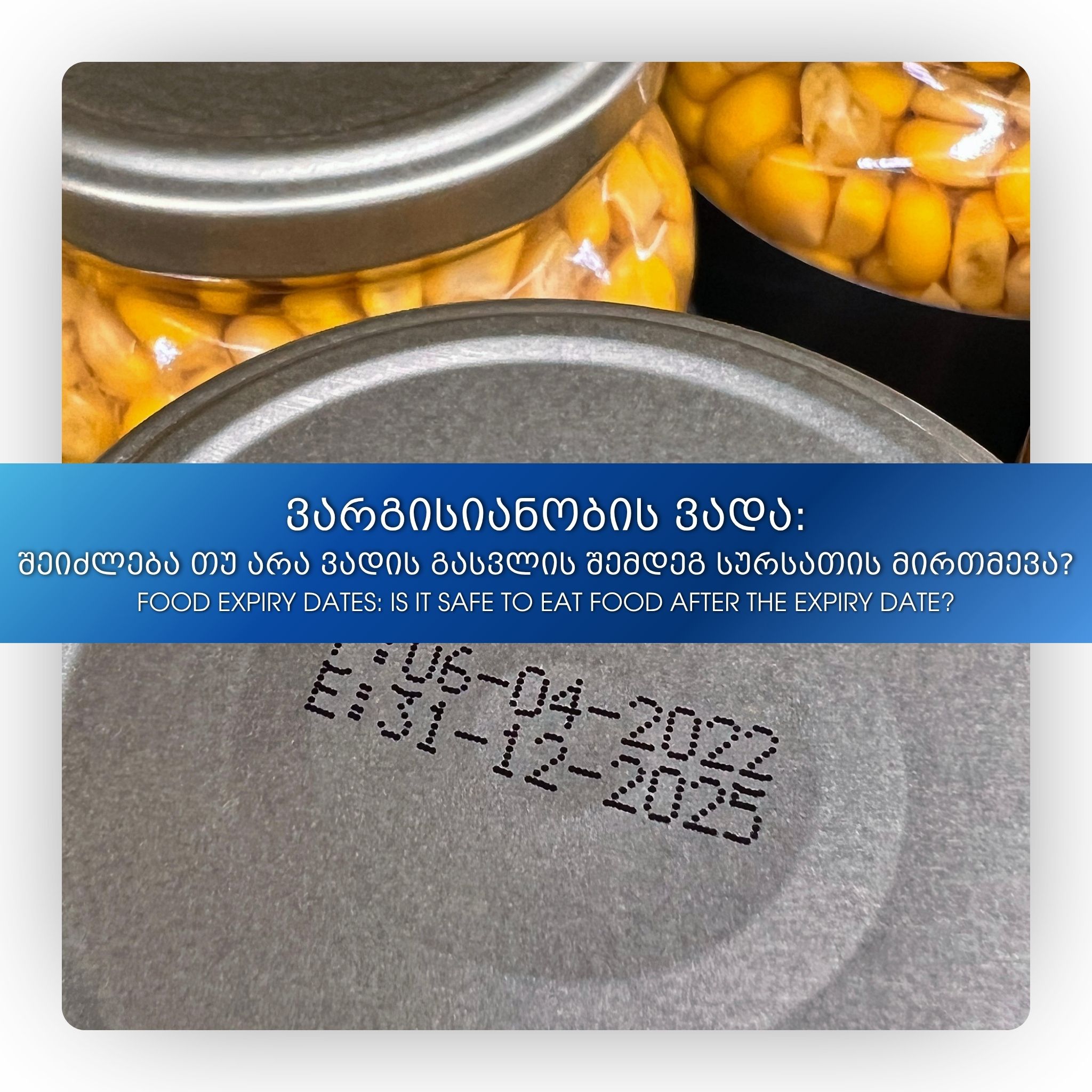
Recommendation: Distinguish between the labels “Use by” (a food safety deadline) and “Best before” (a food quality date). Do not consume products after their “Use by” date. When preserving food at home, follow appropriate sterilization and acidity control procedures. If a jar lid is bulging or the product has an unpleasant odour, discard it immediately.
Important clarification: The legislative acts listed below primarily establish requirements for food business operators (manufacturers, processors, retailers, and food service establishments), rather than private household kitchens where food is prepared exclusively for personal consumption.
Georgia: The Food/Feed Safety, Veterinary and Plant Protection Code of Georgia (No. 6155-IS, 2012, as amended) is the principal legislative act governing food safety in Georgia. Its purpose is to protect human life and health, as well as consumer interests. Official food safety controls are carried out by the National Food Agency of Georgia.
European Union (Reference Standards): Regulation (EC) No. 178/2002 (general principles of food law), Regulation (EC) No. 852/2004 (food hygiene and HACCP), Regulation (EC) No. 2073/2005 (microbiological criteria for foodstuffs), and Regulation (EU) No. 1169/2011 (provision of food information to consumers, including “Use by” and “Best before” dates). Under the EU–Georgia Association Agreement, Georgia is working towards aligning its legislation with relevant EU standards.
International Standards: Codex Alimentarius, General Principles of Food Hygiene (CXC 1-1969, revised in 2020).
For specific legal provisions and the currently applicable versions of these regulations, please consult matsne.gov.ge and eur-lex.europa.eu.